LCD-LED-TV.com

informative blog related to television technology

  • Terms and Conditions
  • Disclaimer
  • Privacy Policy
  • Contact Us
  • About US
  • Home
  • T-Con Data
  • All Brand TV Software
  • Blog
  • About US
  • Contact Us

Category - Useful For TV Repairer

  • Useful For TV Repairer

LCD Panel All Voltage and Signal Test point Name and its Use

January 23, 2023
by lcd-led-tv.com
4 min read

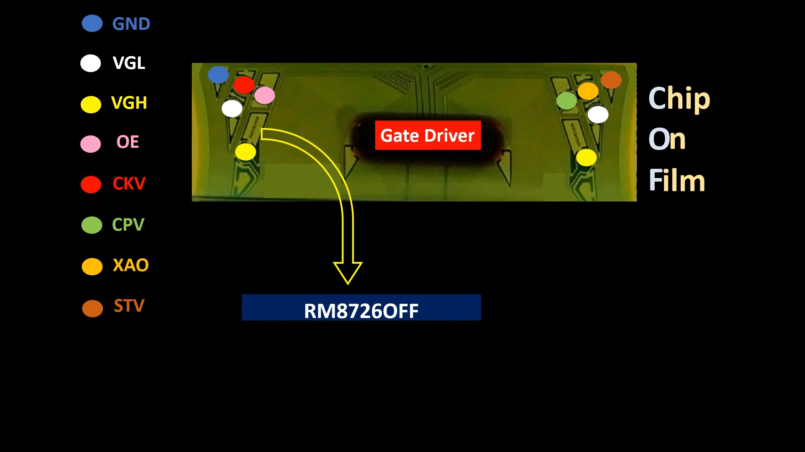
Here in this article we will see about all the LCD LED TV Panel Voltage and signal test point name and its use or we will understand how this signal work. Connection NameConnection WorkingVoltageVGHPositive supply26 to...

Continue reading

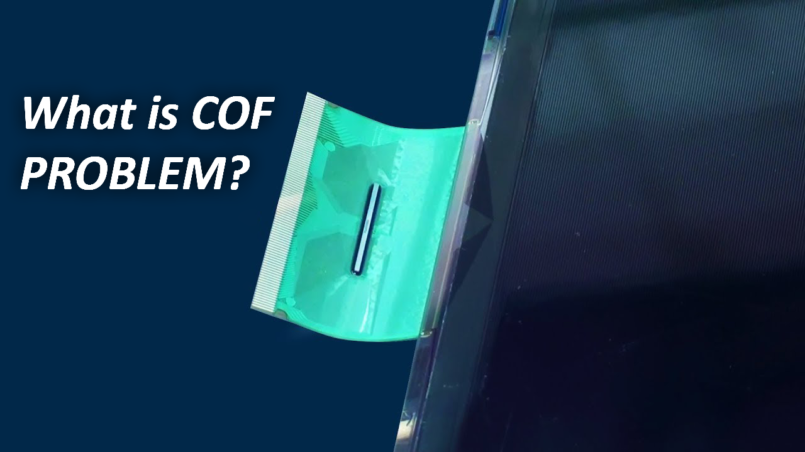
What is COF problem side cof x cof y cof gate cof problem and solution
  • Useful For TV Repairer

What is Gate COF and X COF PROBLEM?

December 18, 2022
by lcd-led-tv.com
2 min read

Here in this article we will see about what is Gate COF and X COF Problem. As the name suggest this problem is accrued due to the COF IC aging. In LCD/LED TV Mainly two type of COF IC is used one is X COF and another one is Y...
Continue reading

What is LVDS SIGNAL cable 5 pair cable 10 pair cable 12 pair cable
  • Useful For TV Repairer

What is LVDS Signal?

December 18, 2022
by lcd-led-tv.com
2 min read

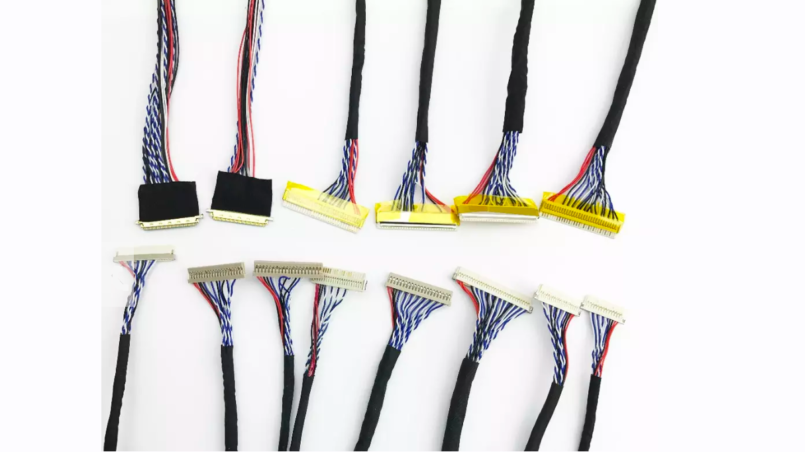
Here in this article we will see about what is LVDS SIGNAL? And how its work also here we will see about what is 5 pair and what is 10 pair cable. The full form of LVDS is ‘Low Voltage Deferential Signal’. LVDS cable is...
Continue reading

LCD LED TV Software

  • VS.T596_V2.5 VS.T596_V2.2-5 Software Free Download
  • VS.T596_V3.1-8 VS.T596_V3.1-8 Free Software Download for TV
  • VS.T596_V3.0-8 VS.T596_V3.0-8 Software Free Download
  • T.MS18VG.72B T.MS18VG.72B Software Free Download
  • ZP.VST_.V56RU.P671 ZP.VST.V56RU.P671 Software Free Download

Blogs

  • OLED vs LCD OLED vs LCD
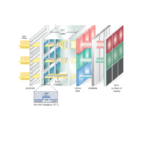
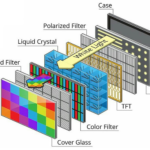
  • What is Thin Film Transistor Display? In terms of ITO or Flat panel LCD Technology for switching one component is most commonly used which is known as TFT ( thin-film transistor). The display of complex images requires high-resolution dot-matrix displays consisting of many thousands of pixels. For example, the video graphics array (VGA) standard for computer monitors consists of an array of 640 by 480 picture elements, which for a color LCD translates to 921,600 individual pixels. Excellent images can be built up from arrays of this complexity by using thin-film transistor (TFT) TN displays, in which each pixel has associated with it a silicon transistor that acts as an individual electronic switch. The use of a transistor for each pixel makes the TFT an active-matrix display, as opposed to the passive-matrix display described in the previous section. The TN effect produces black-and-white images, but, as shown in the diagram, color images can be generated by forming three-pixel groups using red, blue, and green filters. The displayed image is bright by virtue of a flat backlight placed behind the liquid crystal panel. Introduced at the end of the 1980s, TFT displays are now widely used in portable computers and as space-saving flat-screen monitors for personal computers. Some aspects of TFTs, such as viewing angle, speed, and the manufacturing cost of large-area displays, have slowed their full commercial exploitation. Nevertheless, these LCDs are increasingly entering the home television market. What is Thin Film Transistor Display?
  • What is Super Twisted Nematic displays What is Super Twisted Nematic displays
  • Types of LCD Technology
  • Understanding of Glass substrate in TFT LCD
Copyright © 2026 — LCD-LED-TV.com
  • About US
  • Contact Us
  • Disclaimer
  • Privacy Policy
  • Terms and Conditions
  • Home
  • T-Con Data
  • All Brand TV Software
  • Blog
  • About US
  • Contact Us
  • Terms and Conditions
  • Disclaimer
  • Privacy Policy
  • Contact Us
  • About US